
Historical Gravestone Stories
Joseph Warren
Poetic & Dramatic Audio Narration Script: Joseph Warren’s Epitaph
(Low Strings Hum beneath a Distant Drumbeat — Solemn, Suspenseful)
Narrator (Deep, Reverent Tone):
“Beneath the crimson sky of revolution,
Where musket smoke kissed morning light,
Stood a man not born for war — but called to it.
Joseph Warren, healer of flesh, defender of freedom.
He spoke with fire,
Wrote with thunder,
And walked with the quiet resolve of one who knew
That liberty demands more than words —
It demands blood.
On Bunker Hill, he chose no pedestal, no command.
He chose the earth —
The trembling ground where freedom’s price is paid.
And there, amid the roar of cannon and cry of men,
He fell.
Not in retreat.
Not in fear.
But in defiance.
“Here,” he seemed to say,
“Let my body lie —
So that a nation may rise.”
Let this stone bear witness:
A martyr not to death,
But to the birth of an idea.
A republic.
A dream.
Joseph Warren —
Gone in flesh,
Eternal in flame.”
(Music Swells — Then Fades into a Single, Echoing Heartbeat)
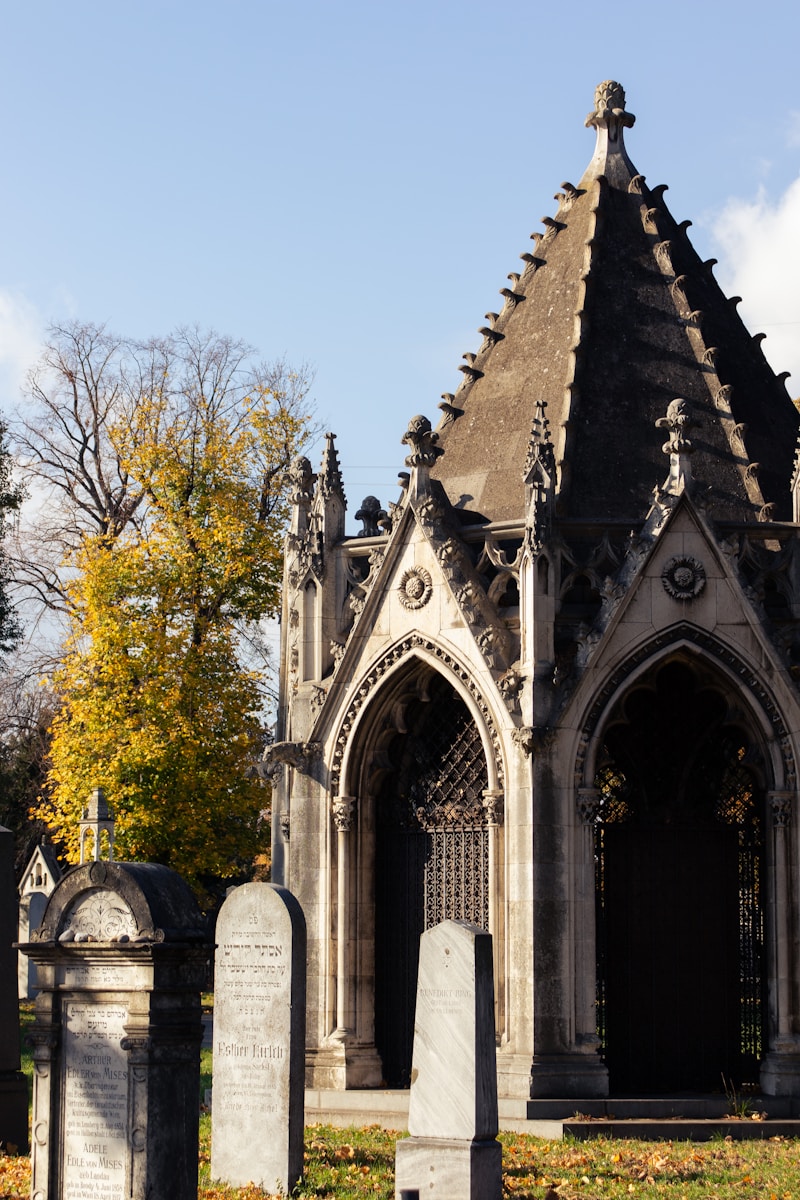
Audio Narration Script: Joseph Warren’s Epitaph
(Soft Orchestral Music Fades in — Solemn, Reverent)
Narrator (Calm, Resolute Tone):
“In memory of Joseph Warren, a patriot whose name echoes through the halls of liberty.
Born in the crucible of colonial unrest, he rose not for fame, nor fortune — but for freedom.
Physician by trade, revolutionary by conviction, Warren stood at the heart of resistance. He penned words that stirred minds and led men with courage that defied tyranny.
On the dawn of June 17, 1775, at Bunker Hill, he chose not the safety of command, but the peril of the front lines. There, he fell — not as a general, but as a soldier — his blood mingling with the soil of a nation yet unborn.
Let this epitaph be his eternal echo:
‘A martyr to liberty, whose death sealed the promise of independence. He gave all — and asked nothing.’
Though his body fell, his spirit rose — immortal in the cause he served.
Joseph Warren: remembered not for how he died, but for why he lived.”
(Music Swells, Then Fades to Silence)
Joseph Warren’s original burial site did not include a formal tombstone with an epitaph, as he was first buried in a mass grave following the Battle of Bunker Hill. However, after his remains were later reinterred, memorials and monuments were erected in his honor. One of the most notable inscriptions associated with him is found on a monument at Forest Hills Cemetery in Boston, which reads:
While this is not a poetic epitaph in the traditional sense, it reflects the solemn reverence with which his sacrifice is remembered. Many later tributes and memorials refer to him as:
Here is a historically inspired, poetic epitaph for Joseph Warren, crafted as if it were engraved on his tombstone. It honors his legacy with solemnity and lyrical grace, echoing the tone of 18th-century memorials:
Here lies Joseph Warren
Patriot, Physician, Son of Liberty
He healed the wounded, yet bore no shield,
He spoke for freedom, then died in its field.
On Bunker Hill, he met his fate—
Not as a general, but as a mate
To common men, in common cause,
Who stood for country, not for applause.
His blood was spilled, his voice went still,
Yet echoes loud on every hill.
A martyr crowned in battle’s flame,
Whose death gave birth to freedom’s name.
June 17, 1775
“Death is but a moment—liberty, forever.”
11 Patriotic Tunes That Echoed Through the Battlefields of the Revolutionary War Story by Patricia Quezada Brawn
“Free America” by Joseph Warren: Call to Arms
Credit: Wikimedia Commons
“Free America,” penned by physician and patriot Joseph Warren, was a powerful call to arms for the American colonists. Warren, who would later die heroically at the Battle of Bunker Hill, used the song to inspire his fellow countrymen to take up the cause of independence.
The song’s lyrics urged Americans to resist British oppression and fight for their freedom. Lines like “That seat of science, Athens, and earth’s proud mistress, Rome, where now are all their glories? We scarce can find their tomb” drew parallels between the American struggle and the great civilizations of the past.
“Free America” was sung at political meetings and rallies, helping to build momentum for the revolutionary cause. Its stirring message and historical references made it a powerful tool for galvanizing support and encouraging action.
William
Prescott
DOD: 1795
Israel
Putnam
DOD: 5/29/1790
John
Stark
DOD: 5/8/1822
James
Frye
DOD: 1/8/1776
Thomas
Gardner
DOD: 7/3/1775
Elizabeth
"Betsy" Ross
DOD: 1/30/1836
Minutemen
and Militia
Boston
Massacre
George
Washington
DOD: 1799
John Paul
Jones
Benjamin
Franklin
General Richard
Montgomery
Alexander
Hamilton
John
Adams
John Quincy
Adams
Samuel
Adams
John
Hancock
Robert Treat
Paine
Paul
Revere
Ephriam
Huit
William
Shakespeare
Johnny
Cash
Meriwether
Lewis
William
Clark
Sacajawea
John Jeremiah Garrison Johnston
William Prescott
DOD: 1795
Israel Putnam
DOD: 5/29/1790
John Stark
DOD: 5/8/1822
James Frye
DOD: 1/8/1776
Thomas Gardner
DOD: 7/3/1775
Elizabeth "Betsy" Ross
DOD: 1/30/1836
Minutemen and Militia
Boston Massacre
George Washington
DOD: 1799